PROJECTTEMPESTIO
Tempestio.
TU/e · Project 2 · New Futures
January 2023
January 2023
- Course
- Project 2 · New Futures
- Institution
- TU/e · Industrial Design
- Group
- Petr Dobiáš, Emma de Boer, Savanne Noijons
- Duration
- ~15 weeks
- Finished
- January 2023
Significance
- User Experience
- Smart Home Device
- More-Than-Human-Centered
- ESP32
- Fusion 360
- 3D Printing
OVERVIEW
When the sky is calm, it’s still a chandelier.
Tempestio is a smart chandelier that warns its household about incoming extreme weather — hail, thunderstorms, heatwaves — through rumbling sound, striking light, and slow fabric motion.
When the sky is calm, it’s still a chandelier. When a storm is on its way, the room knows before anyone has looked outside.
01PROCESS
A semester-long Y2 project with Emma de Boer and Savanne Noijons, inside TU/e’s ‘New Futures’ squad — the design group oriented around long-horizon, multi-modal, multi-stakeholder problems. What follows is a condensed walk through how we got here.
02FOCUS
Our brief was ‘Servicing the Smart Home’. We mapped the possible service spaces, then mapped our own interests against them, looking for the overlap.
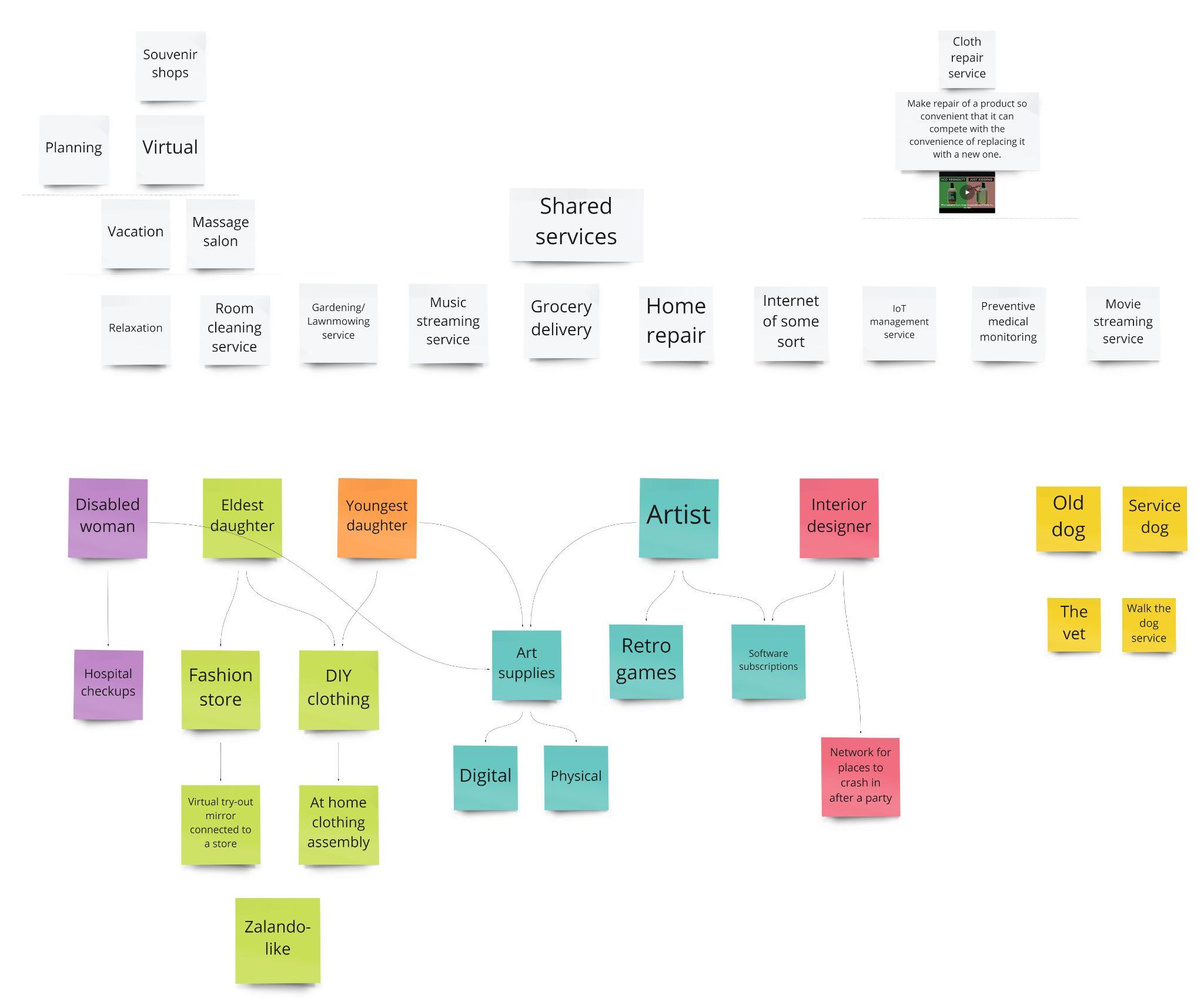
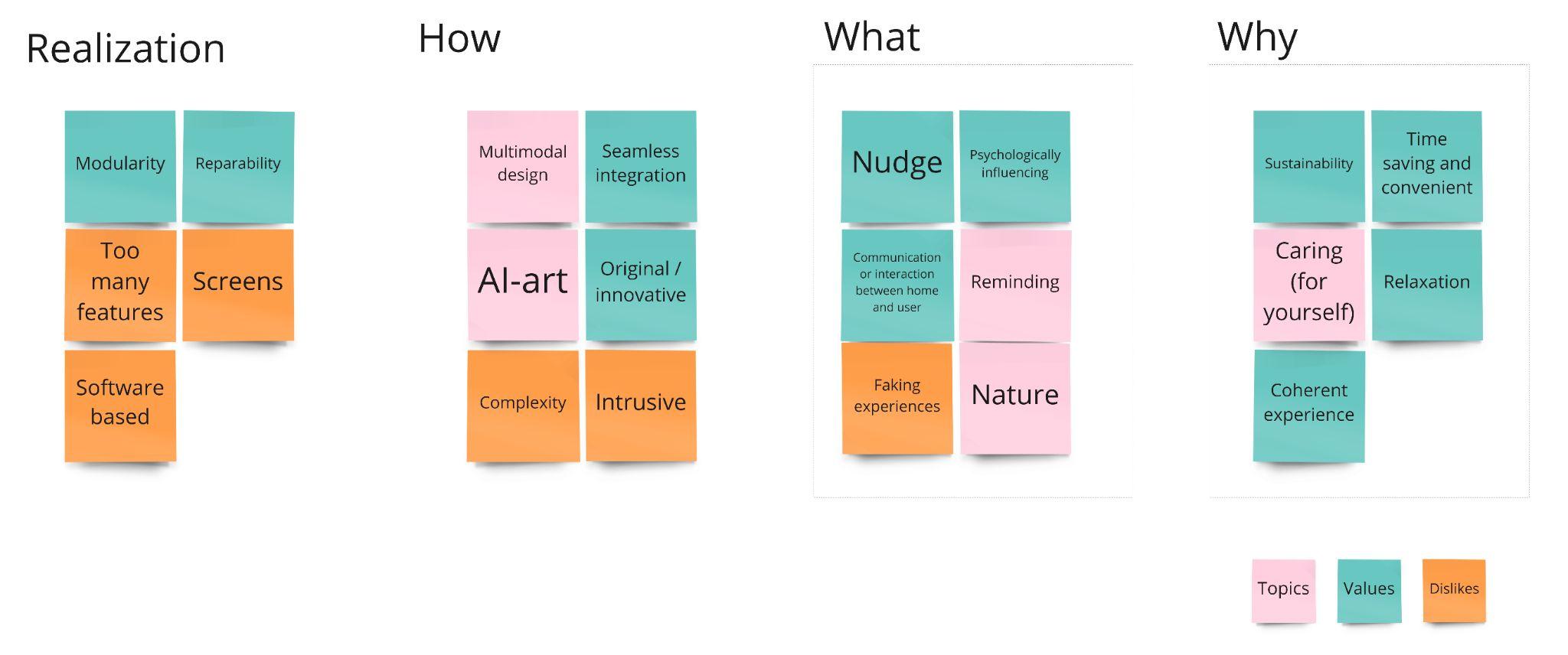
03WEATHER
Weather, we realised, is information the house should feel before anyone reads about it. The design goal narrowed: inform the inhabitant of upcoming natural hazards through aesthetic, non-interactive home objects.
04COMMUNICATION
The object had to read at eye level, work for everyone in the room, and stay useful when nothing was happening. We considered a piano, a teapot, a lamp. A chandelier won on all three counts.
05RELATED WORK
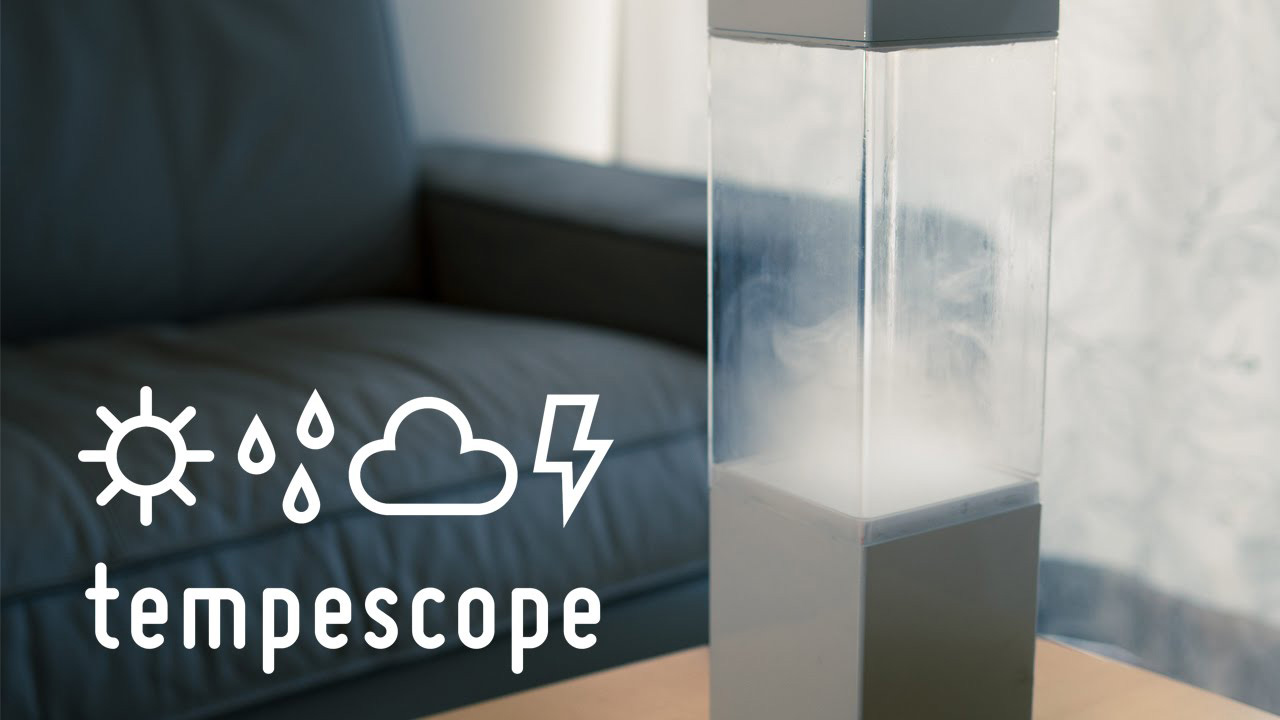
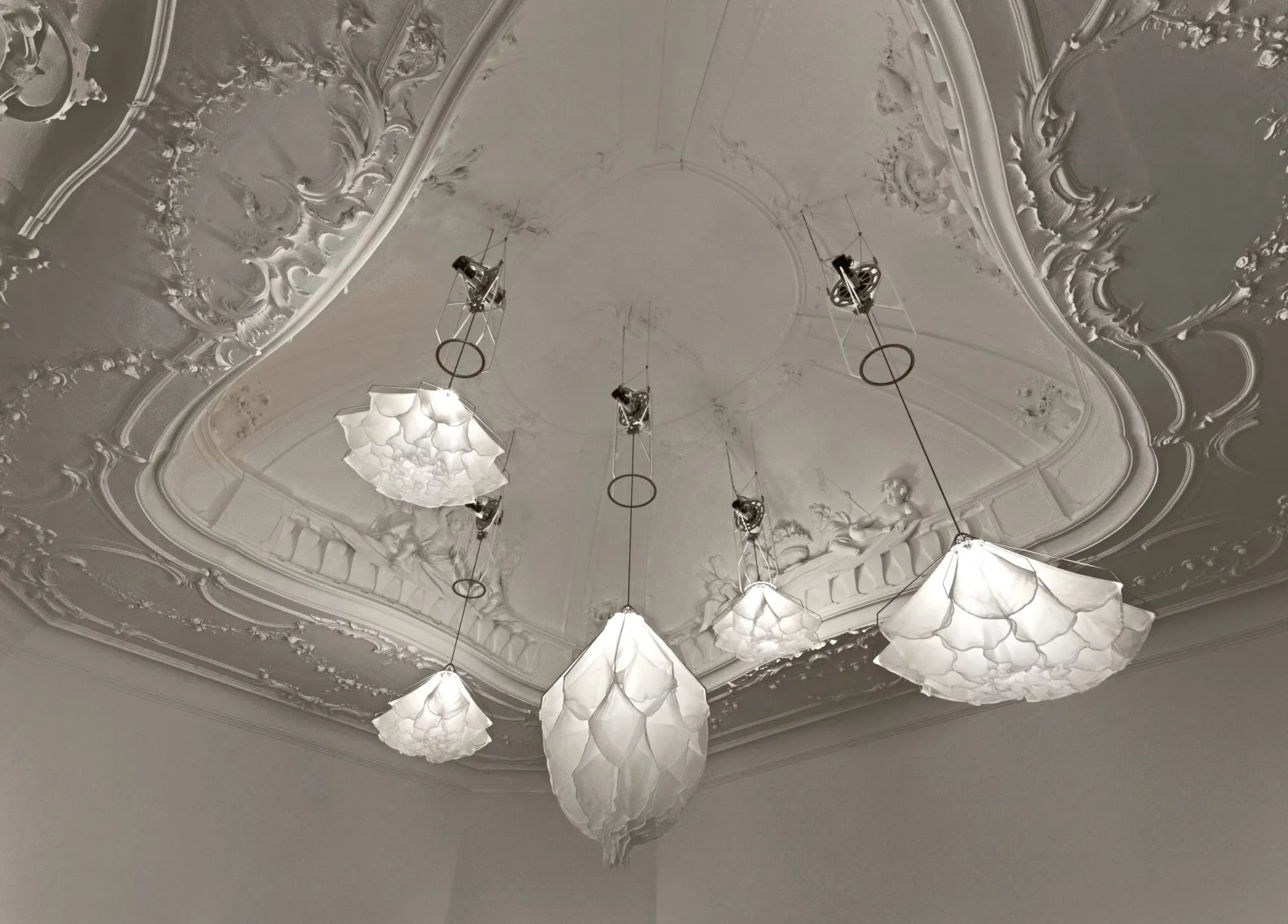
Tempescope replays the forecast in a glass box of water. Shylighthangs and breathes in the Rijksmuseum. We wanted both — physical weather, performed by an object that’s alive in the room.
06FORM
Few rules on the chandelier’s form, one constraint: every concept had to move. We sketched widely, then built quick foam models to test what the volumes felt like in the air.
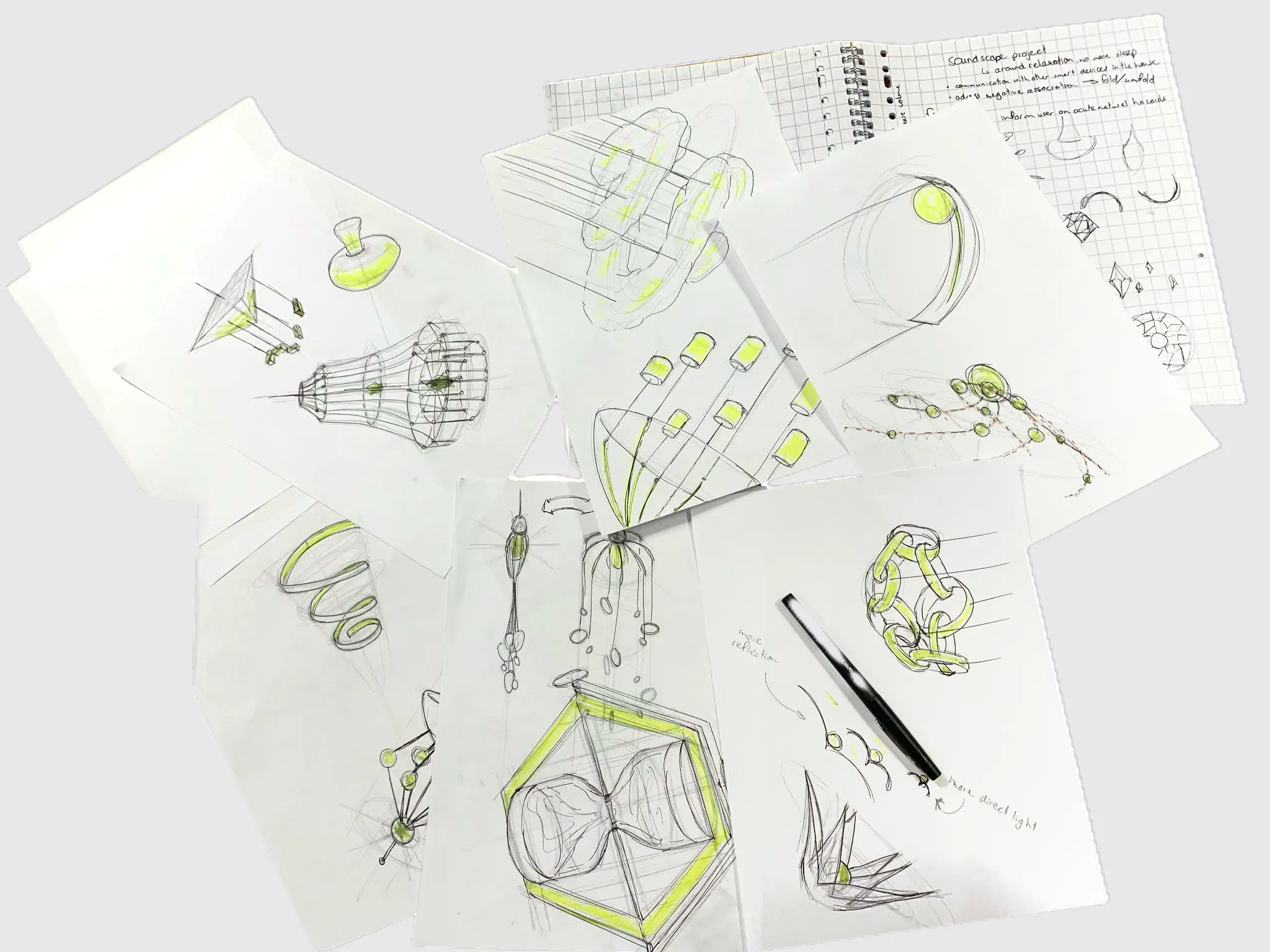
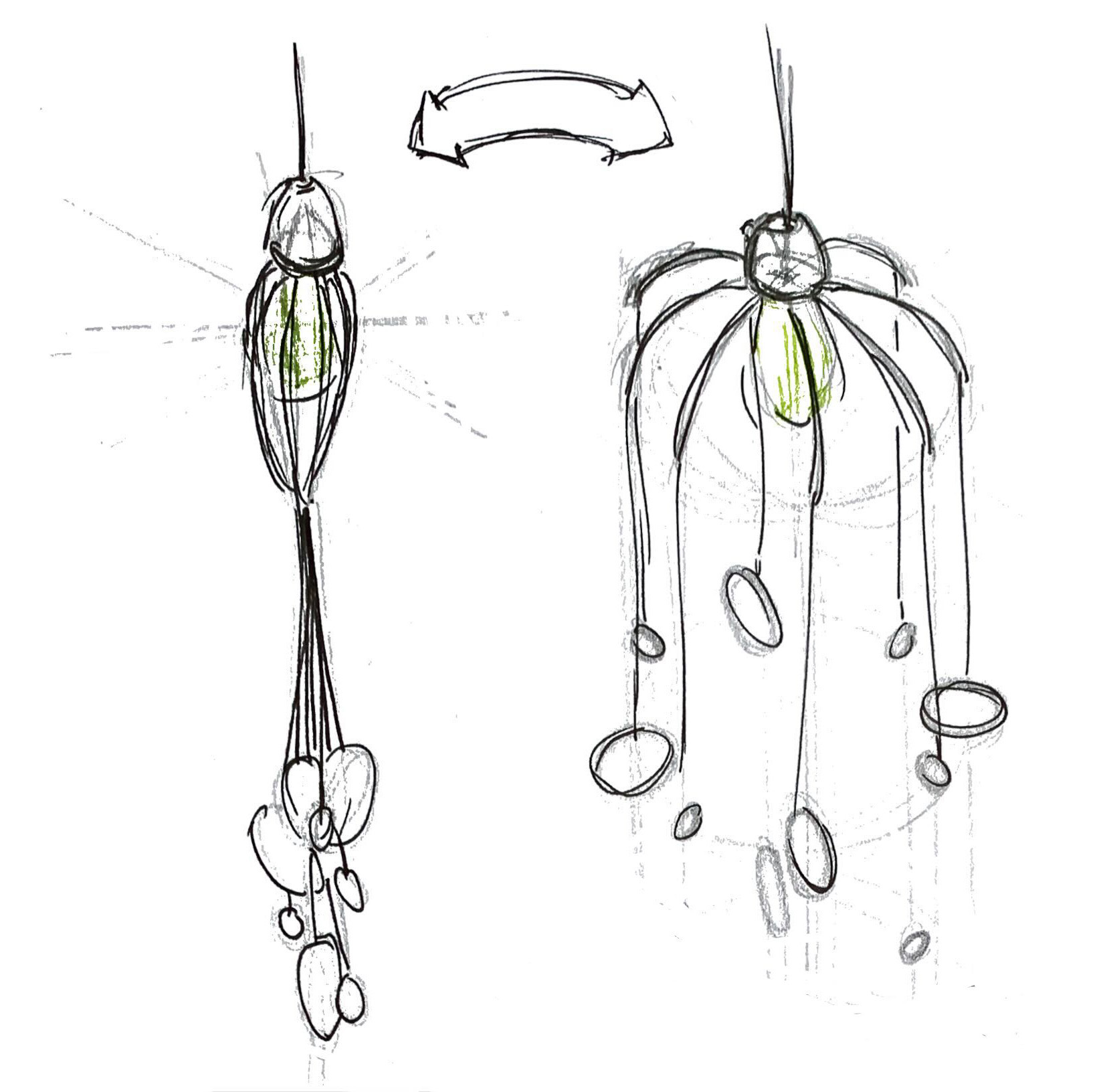
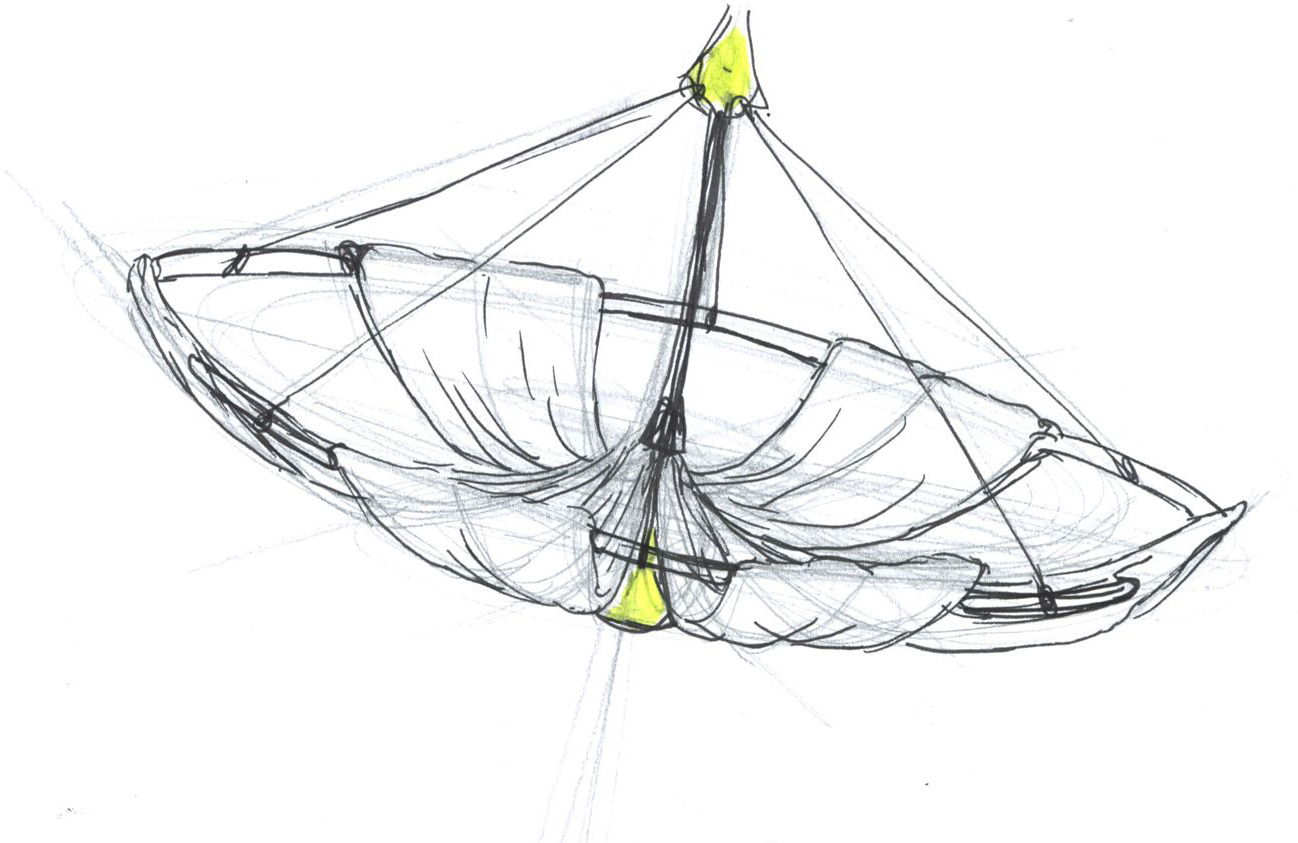
The standout: a chandelier whose fabric is the light diffuser and the weather effect. To make that work, the fabric had to move.
07FABRIC
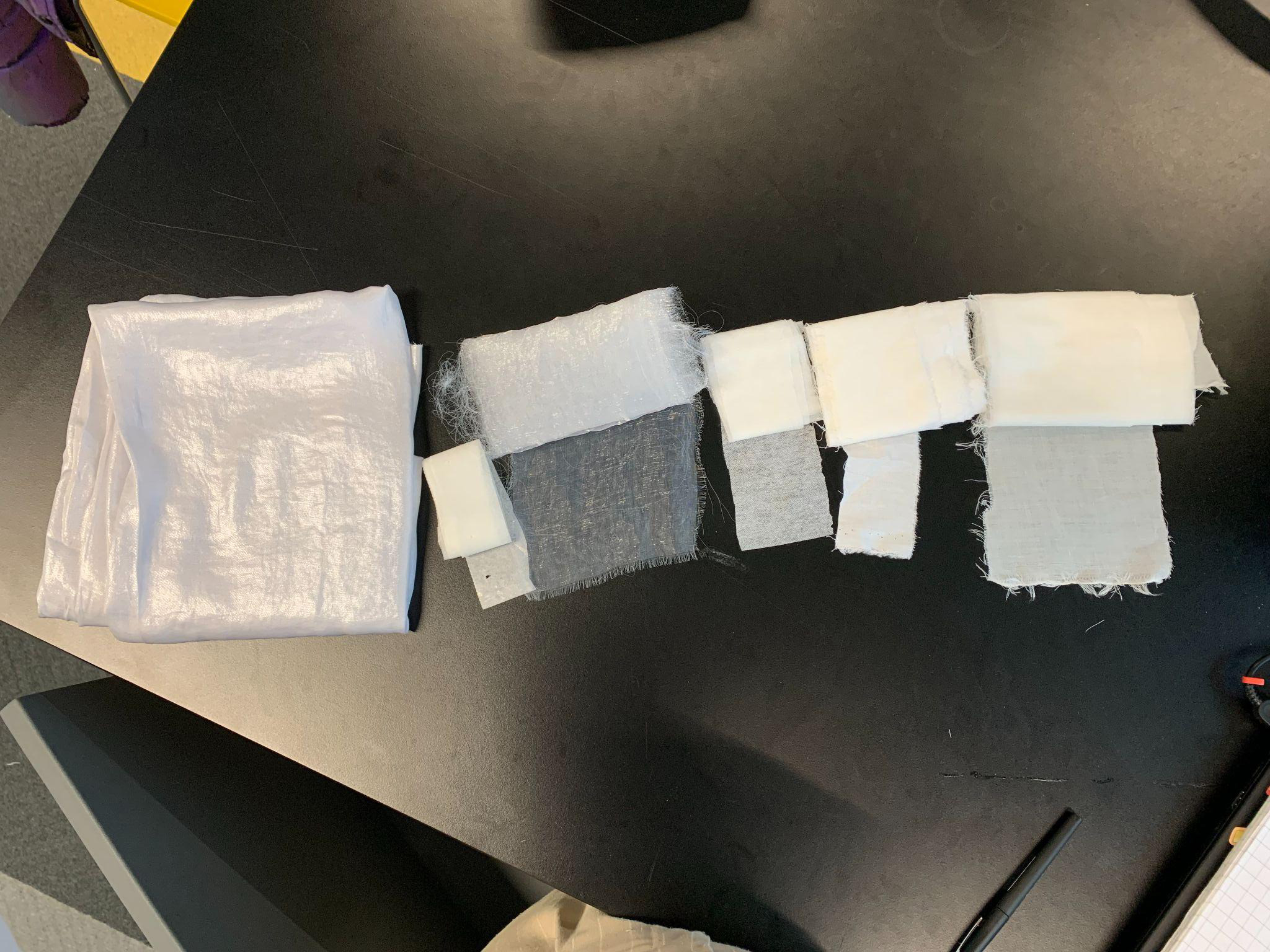
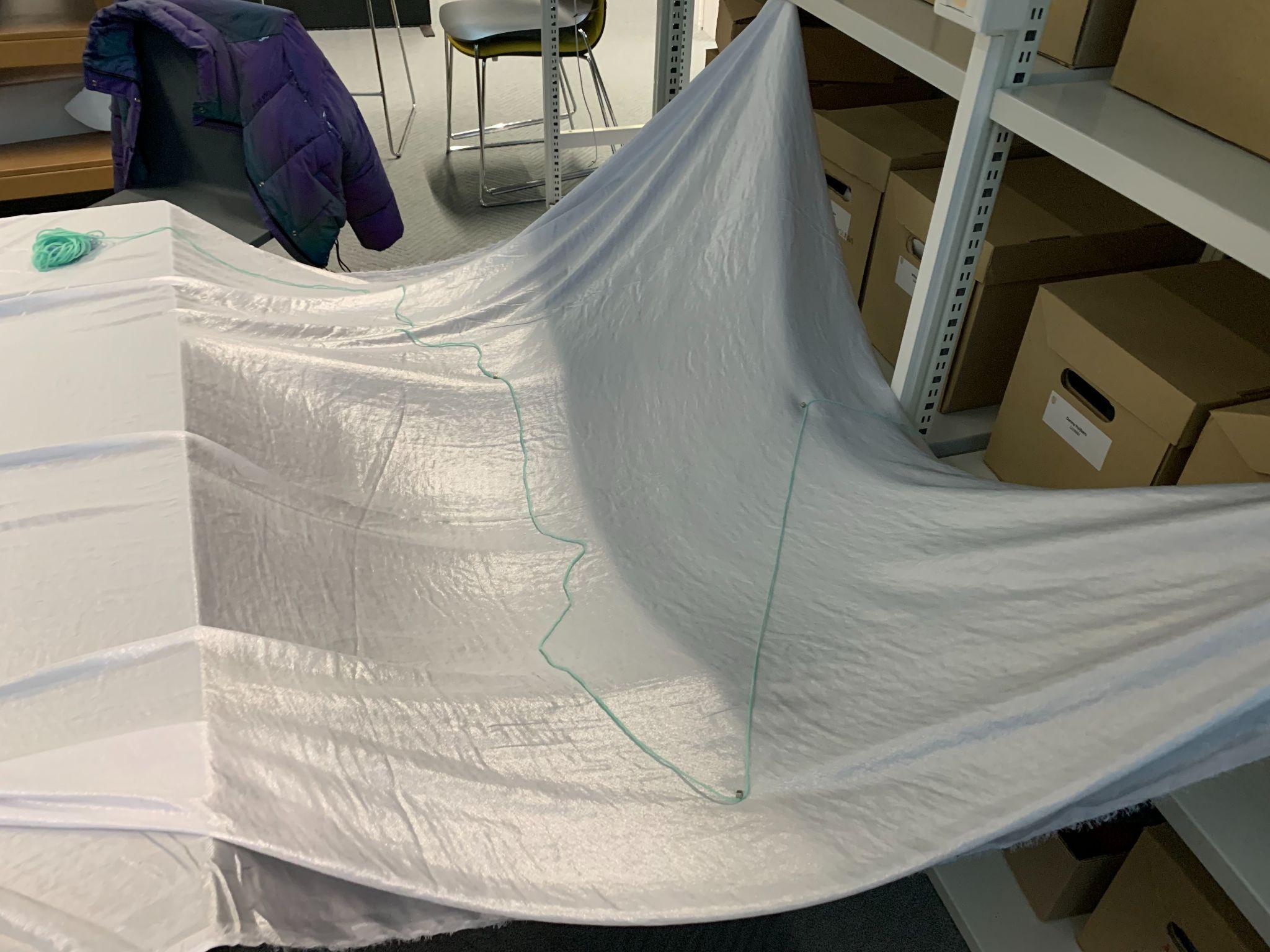
We tested fabrics until we found one that moved right — light enough to drift, silky enough to read as weather. A vertical tugging motion was chosen for the mechanism.
08FINAL SHAPE
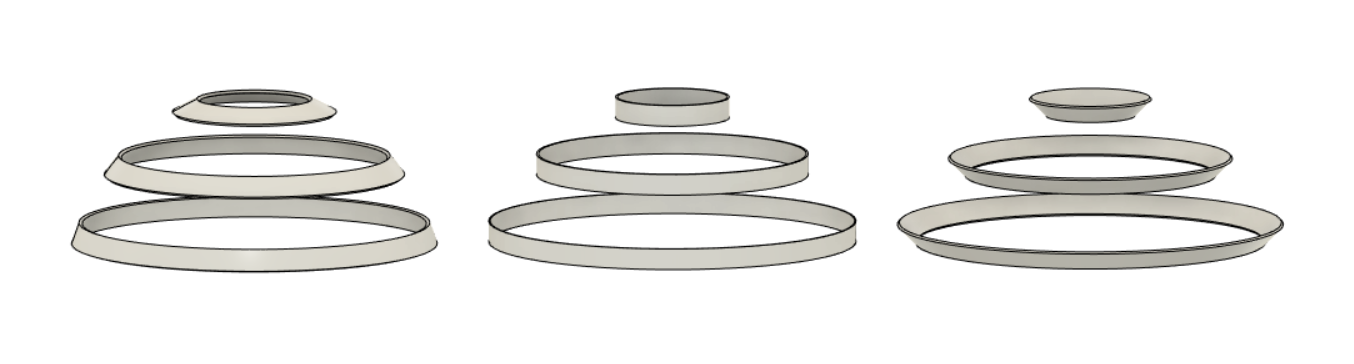
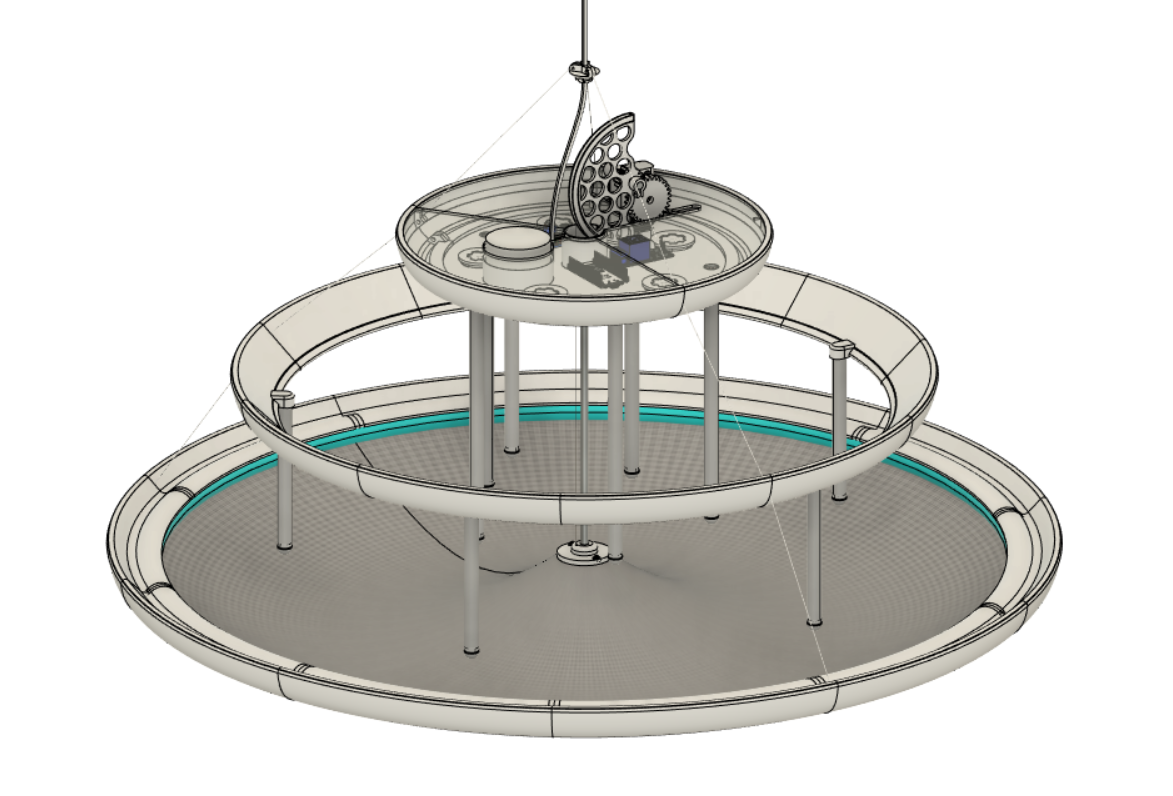
Three rings of different diameters, floating one above the next, all sloping inward. The top ring holds mechanics and electronics; the middle holds light; the bottom holds the fabric.
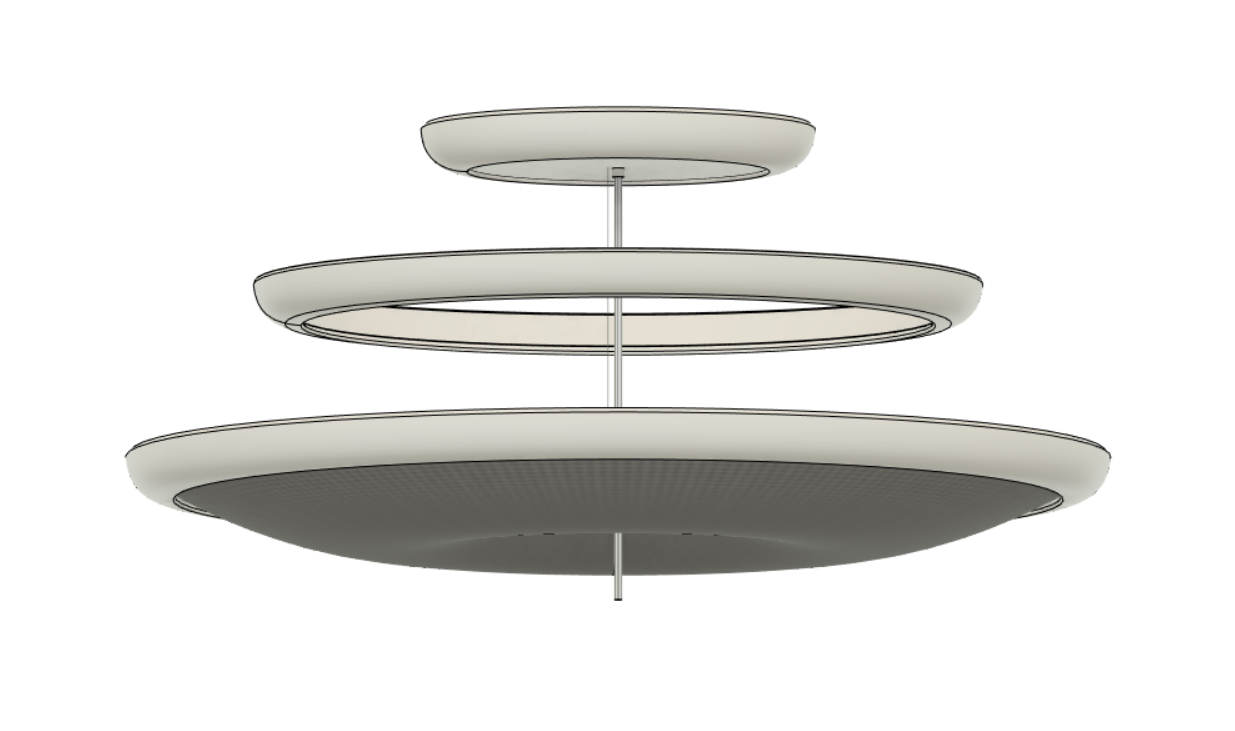
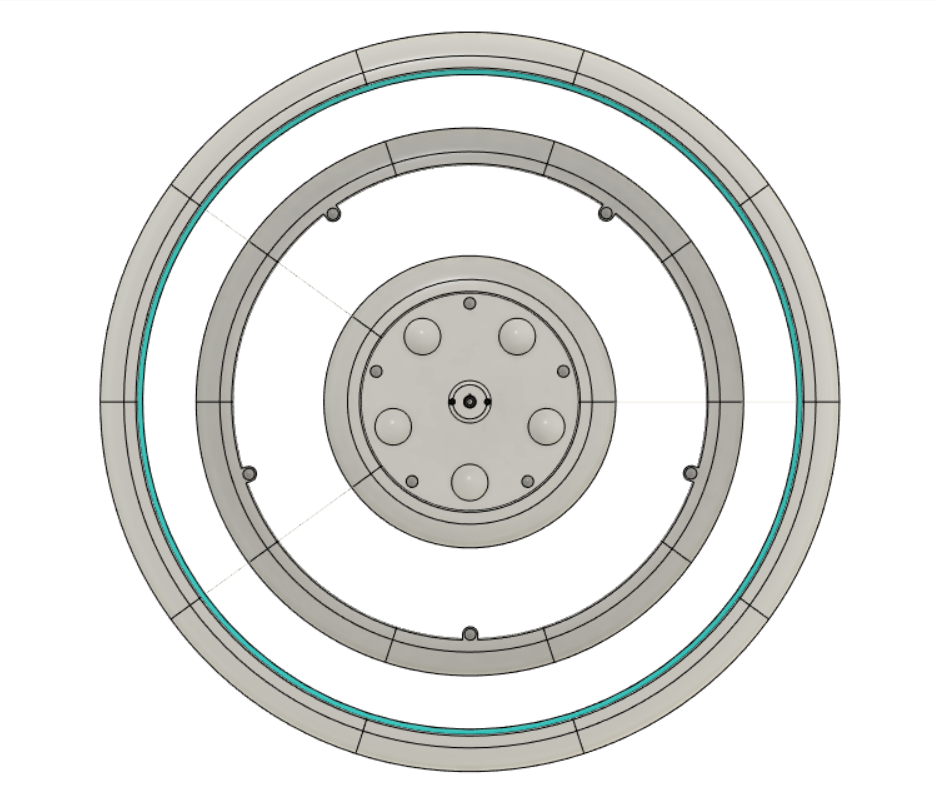

From below, the light sources sit in groups of five. Odd numbers read better in circles — flower-blossom logic.
09MANUFACTURING
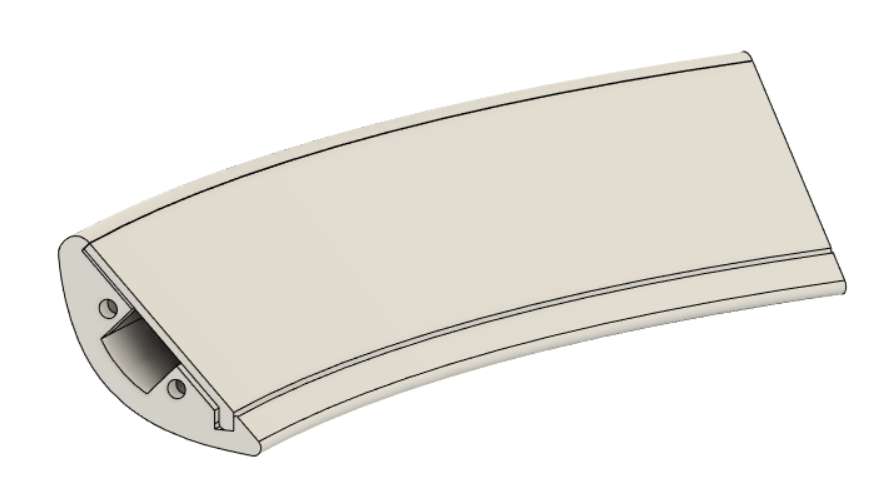
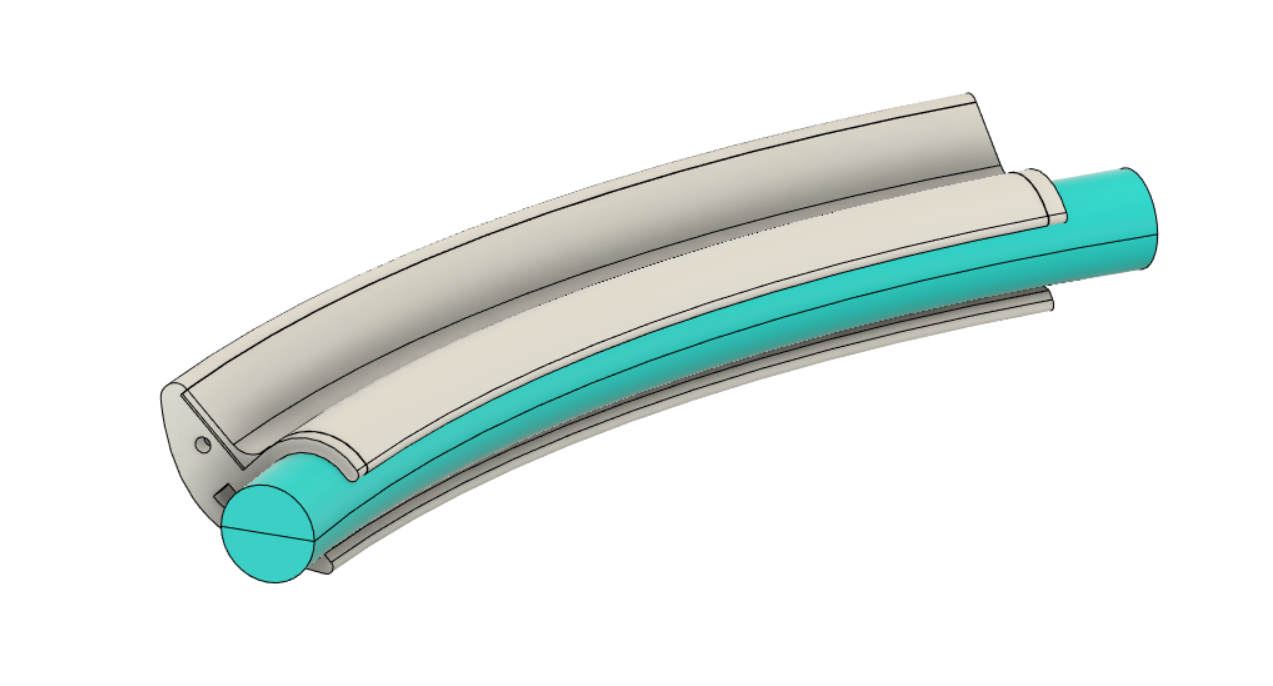
Modelling is easy. Manufacturing is the work. The rings split into hollow sections that bolt together; each section has a snap-fit cover. The whole device is 3D-printable.
10ELECTRONICS
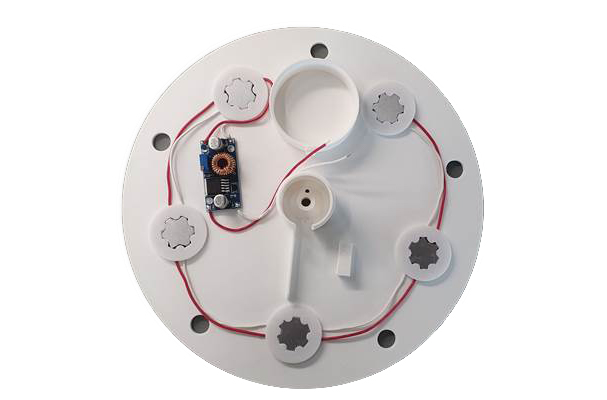
ESP32 + relay + servo + speaker + step-down + LEDs, all stuffed inside the top ring. Wi-Fi on board, so it’s controllable remotely via a web-server interface.
11FINAL CAD
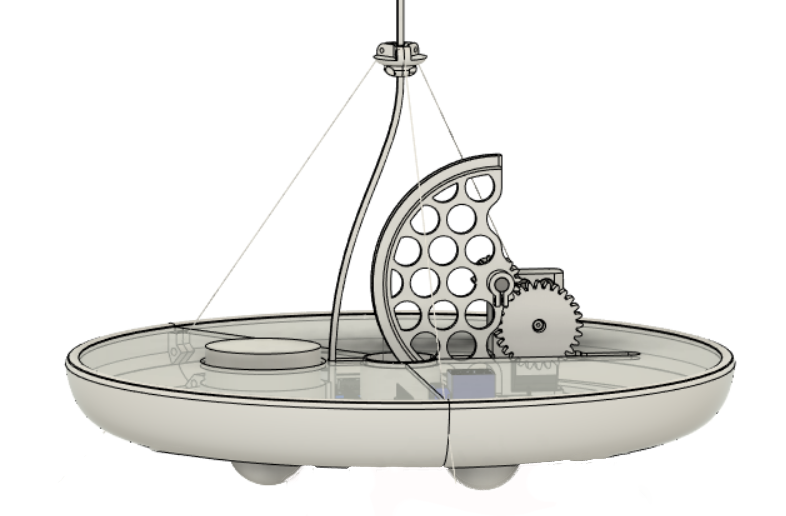
The prototype matches the CAD almost wire-for-wire. With wiring aside, Tempestio is fully reproducible from these files.
12BEHAVIOUR

The LEDs run on FastLED — rain droplets, lightning, ambient pulses. The chandelier doubles as a platform for room mood.
13USER TESTING
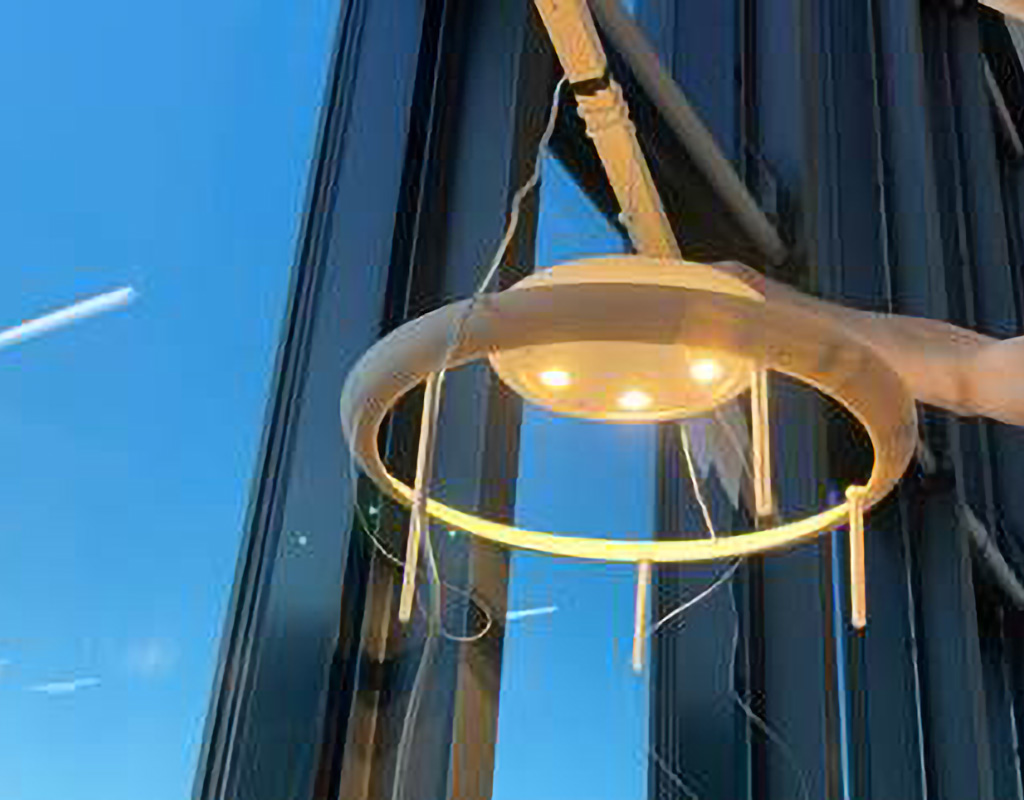
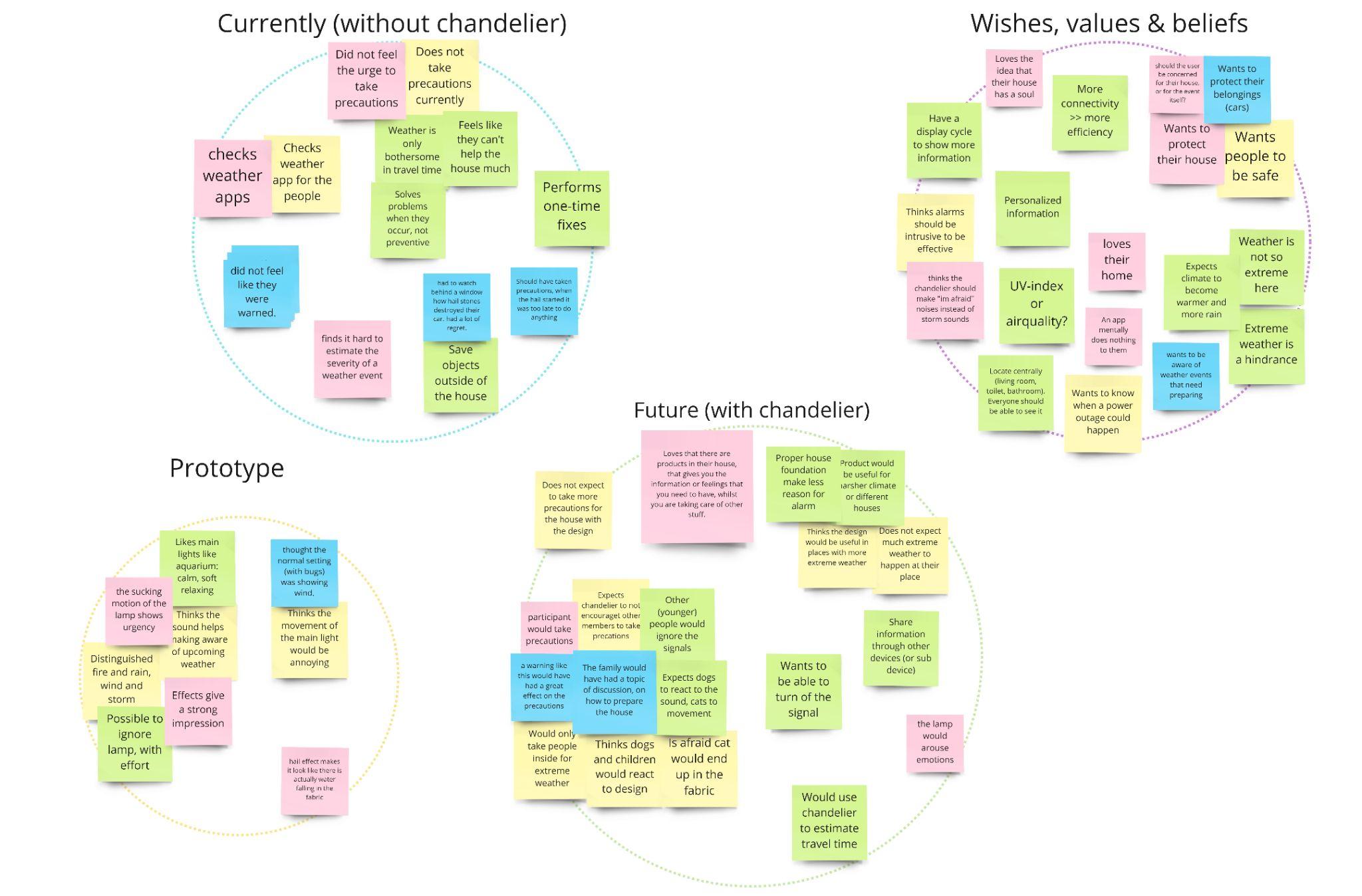
Four qualitative interviews. Each participant described a recent extreme-weather scenario, then replayed it with Tempestio imagined in the room. The behaviour shifts were telling.
The home doesn’t need another screen. It needs more weather.
References — Shylight. Studio Drift. (2023, February 14). Retrieved from studiodrift.com/work/shylight
Project Tempescope. (2022, November 10). Retrieved from tempescope.com